
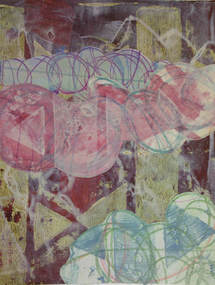
 When I took an abstract painting workshop with Jane Davies last August, she encouraged us to make a mess with our paints and papers. Let it get “ugly,” she said. If your first response to this suggestion is surprise mixed with disbelief and a touch of resistance, join the club. But Jane persevered: do it with a sense of curiosity, exploration, a “I wonder what can come out of this” attitude. And she had a big grin on her face. She knew what she was talking about. Just look at her work and you’ll see what I mean (www.janedaviesstudio.com).
For most of us, the last thing we want to do is make a mess. We (and I’m including myself in this), usually want things to go smoothly, look good, and require minimal effort. Can you relate? Let’s just stay safe here…. You’d be amazed at how many experienced artists, when they’re first learning a new technique or process, have an initial reaction that their own work is crap and everyone else’s work is fantastic. Jane, in her inimitable style, showed us how to look at what we were doing in a nonjudgmental and open way. It became really fun to throw caution to the wind by doing a mental “reframe”. In case you’re not familiar with the term, a reframe is a way of changing how you think about what you’re doing by changing the meaning of it. That might sound a bit confusing but that’s what you do. Using a reframe is common in NeuroLinguistic Programming (NLP), where the value of anything you do depends on your point of view. So as you approach a dicey situation, you can turn it into a creative project: take a situation that evokes discomfort or resistance, and put a new spin on it so you can get entirely different (better) results. And this is where inspiration can get in and transform everything. I loved what Jane was showing us, not only because it enabled us to have a much better time in creating work that surprised and delighted us, but because her advice was relevant both to the artistic process and as an excellent way to live our lives on a daily basis. When we’re willing to make a mess, either deliberately or by accident, and we manage not to freak out or try to hide it, we discover something new. Every single time. And what exactly is a “mess,” anyway? It’s our personal opinion - not an absolute truth - and that “mess” is associated with other yucky states of being, including dirty, untidy, shambles, chaos, confusion - and who among us wants to let the world see us in that situation? Everyone would see that we were really incompetent failures and no one would want anything to do with us. Maybe that’s a bit on the extreme side, but I’m guessing you can relate to what I’m talking about. Degrees of resistance to making a mess run from mild discomfort to out and out panic. Years ago when I was taking art classes using techniques I’d never used before, I’d actually start to feel nauseous and would go into a panic. I didn’t want to look like a non-artist. And looking back on my life, I could see a lot of situations where not wanting to look foolish or incompetent prevented me from learning and growing. What we can see in hindsight, if we’re lucky, can inspire us to new behaviors going forward. When we’re willing to make a “mess” - we’re willing to see what we’re doing as an experiment: it’s not the final outcome, it’s simply a stage in the process that we’re engaged in. So it’s in that “mess” that new possibilities exist. There’s a saying that goes like this: “Everything will be okay in the end. If it’s not okay, it’s not the end”. If you’re brave enough to not let that “mess” be the end, if you’re willing to make it even messier, you’ll be able to see new possibilities - and take action on them - that will make you feel alive and inspired. So, it all comes down to a matter of interpretation. And we can change how we interpret what we do or what we’re faced with. If you’re feeling that your reaction to making a mess (or even being a mess) is a bit stale, that it’s keeping you small and well, boring, then you’re one step closer to having fun in ways you can’t yet imagine. What areas in your life are you willing to make a mess of? If you want help doing that, contact me here.
0 Comments
Leave a Reply. |
- Home
- About
- Offerings
- Creativity Conversations
- LET'S CONNECT!
-
Blog
- Live Free Your Way
- Seeing Things Differently
- Mistaking Assumptions for Truth
- How Humor Keeps Us Sane
- Know Thyself
- Peach Pie for Breakfast
- Explore Experience Express
- Should You Be Downshifting?
- Stop the Hustle!
- Do Your Habits Serve or Sabotage
- Settle Down? Down Where?
- What Lights You Up?
- Saying Yes When Your Mind Says No
- Independence From What?
- Letting Ourselves Off the Hook
- Letting Go of Assumptions
- Is Kindness Allowed?
- How to Throw a Wrench in the Works
- Happiness
- Daring to be Lighthearted
- What Happens When You See Things Differently
- Find Delight in Everyday Life
- Are You Saying What Needs to Be Said
- Is Your Life in Alignment
- Are You Trapped by Your Past
- Can You Love Your Life
- The Hallmark of Creativity
- Out Of Ideas?
- Waking Up to a New World
- Are You a Possibilitarian?
- Want to Love Your Life?
- Is Creativity Necessary
- What's Stopping You?
- An Unexpected Discovery
- Free Your Mind
- Is Your Creative Genius Hiding
- Empty Headed or Clear Minded?
- Is Stress Really Necessary?
- Will Creativity Improve Your Life?
- Is Creativity In Your Future?
- Replace Fear With Love
- How to Get Out of Your Own Way
- Just Take A Moment
- You Don't Have To - You Get To
- The Good News About Being Stuck
- Interested in Inner Freedom?
- Are You a Hoarder?
- What Remains
- Co-vid 19 Free Pass to the Roller Coaster
- Grace Under Pressure
- Now is the Time To Notice
- Hanging With the Wrong Crowd
- Make Your Life Simpler
- What Could Be Different For You
- Everything is a Miracle
- Do You Have A Negativity Bias
- Are You Really Seeing Or Just Assuming?
- Happiness and Resilience
- Wherever You Go, There You Are
- Is Stress Making You Sick?
- What I Wish My Humans Knew
- Looking Backwards
- Daring to Change Course
- Lost in Thought or Taking Action?
- Still Can't Focus?
- Do Your Thoughts Get Dark and Gloomy?
- Can't Focus?
- An Instant Formula for New Ideas
- Talk Yourself Out of Another Great Idea?
- Is Your Busyness Keeping You From Getting Things Done?
- What's that Feeling In the Pit of My Stomach?
- How Cool is This?
- How to Make Your New Year Happier
- Why Be Open To Life?
- Simple Ways to Transform Your Life
- Get Clarity and Confidence
- Are You Driven by Fear or Love?
- The Number One Way to Keep Your Vision Alive and Well
- Why Stop Trying to Figure it Out?
- What Are You Trying to Prove?
- Do Your Goals Reflect Your Hearts Desire
- Why My Cat is My Spiritual Teacher
- Surviving the Holidays
- 3 Convincing Reasons
- 3 Secrets to Enjoying the Holidays
- 5 Quick Steps to Get Your Mojo Back
- 3 Ways to Keep Your Energy High
- 5 Reasons to Do Good
- Pain Relief for the Soul
- Tired of Living by the Rules? Go Rogue!
- What? You've Made a Mess? Excellent!
- Why You Need to Be Inspired Now
- Change Your Life in Just 48 Hours?
- The Cure For Mental Overload
- 5 Infallible Ways to Stay Inspired
- Newsletter
- Home
- About
- Offerings
- Creativity Conversations
- LET'S CONNECT!
-
Blog
- Live Free Your Way
- Seeing Things Differently
- Mistaking Assumptions for Truth
- How Humor Keeps Us Sane
- Know Thyself
- Peach Pie for Breakfast
- Explore Experience Express
- Should You Be Downshifting?
- Stop the Hustle!
- Do Your Habits Serve or Sabotage
- Settle Down? Down Where?
- What Lights You Up?
- Saying Yes When Your Mind Says No
- Independence From What?
- Letting Ourselves Off the Hook
- Letting Go of Assumptions
- Is Kindness Allowed?
- How to Throw a Wrench in the Works
- Happiness
- Daring to be Lighthearted
- What Happens When You See Things Differently
- Find Delight in Everyday Life
- Are You Saying What Needs to Be Said
- Is Your Life in Alignment
- Are You Trapped by Your Past
- Can You Love Your Life
- The Hallmark of Creativity
- Out Of Ideas?
- Waking Up to a New World
- Are You a Possibilitarian?
- Want to Love Your Life?
- Is Creativity Necessary
- What's Stopping You?
- An Unexpected Discovery
- Free Your Mind
- Is Your Creative Genius Hiding
- Empty Headed or Clear Minded?
- Is Stress Really Necessary?
- Will Creativity Improve Your Life?
- Is Creativity In Your Future?
- Replace Fear With Love
- How to Get Out of Your Own Way
- Just Take A Moment
- You Don't Have To - You Get To
- The Good News About Being Stuck
- Interested in Inner Freedom?
- Are You a Hoarder?
- What Remains
- Co-vid 19 Free Pass to the Roller Coaster
- Grace Under Pressure
- Now is the Time To Notice
- Hanging With the Wrong Crowd
- Make Your Life Simpler
- What Could Be Different For You
- Everything is a Miracle
- Do You Have A Negativity Bias
- Are You Really Seeing Or Just Assuming?
- Happiness and Resilience
- Wherever You Go, There You Are
- Is Stress Making You Sick?
- What I Wish My Humans Knew
- Looking Backwards
- Daring to Change Course
- Lost in Thought or Taking Action?
- Still Can't Focus?
- Do Your Thoughts Get Dark and Gloomy?
- Can't Focus?
- An Instant Formula for New Ideas
- Talk Yourself Out of Another Great Idea?
- Is Your Busyness Keeping You From Getting Things Done?
- What's that Feeling In the Pit of My Stomach?
- How Cool is This?
- How to Make Your New Year Happier
- Why Be Open To Life?
- Simple Ways to Transform Your Life
- Get Clarity and Confidence
- Are You Driven by Fear or Love?
- The Number One Way to Keep Your Vision Alive and Well
- Why Stop Trying to Figure it Out?
- What Are You Trying to Prove?
- Do Your Goals Reflect Your Hearts Desire
- Why My Cat is My Spiritual Teacher
- Surviving the Holidays
- 3 Convincing Reasons
- 3 Secrets to Enjoying the Holidays
- 5 Quick Steps to Get Your Mojo Back
- 3 Ways to Keep Your Energy High
- 5 Reasons to Do Good
- Pain Relief for the Soul
- Tired of Living by the Rules? Go Rogue!
- What? You've Made a Mess? Excellent!
- Why You Need to Be Inspired Now
- Change Your Life in Just 48 Hours?
- The Cure For Mental Overload
- 5 Infallible Ways to Stay Inspired
- Newsletter
 RSS Feed